
Common Raven
Corvus corax · Crows, Jays, and Magpies
Banding codeCORA
Keys to identifying it
1Size & shape
About 24 in long.
2Color pattern
- Huge and all black
- Heavy bill and shaggy throat feathers
- Wedge-shaped tail in flight
3Habitat & season
Everywhere: deserts, canyons, cities, mountains
In northern Utah: year-round.
Seen most often in March, June, September and October.
Share of the region’s research-grade iNaturalist bird observations each month, scaled to this bird’s peak. Highlighted bars are its peak months.
4Voice
Deep, croaking calls plus knocks, gurgles and bell-like notes.
“a deep, rolling 'gronk'”
iNat 288879814 by Indio Brown · Carbon County, US-UT, US · CC BY
Know it
- Its tail is wedge-shaped in flight; a crow's is squared off.
- Among the most intelligent birds: it solves puzzles and has been seen sliding down snowbanks for fun.
- Pairs often stay together for life and defend a territory year after year.
Often confused with
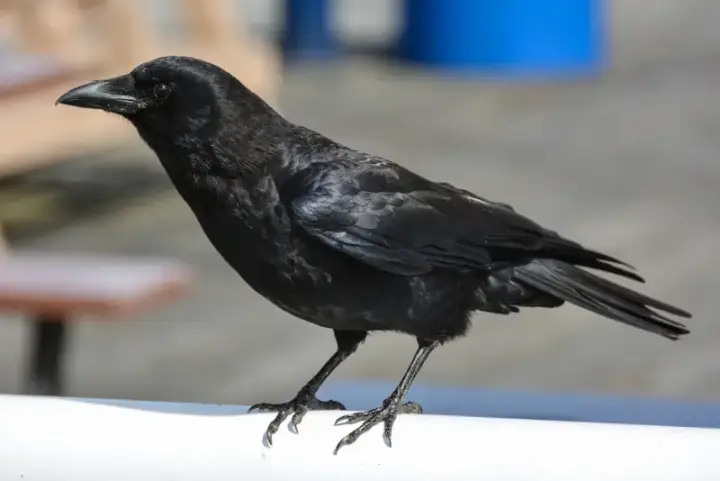 American Crow
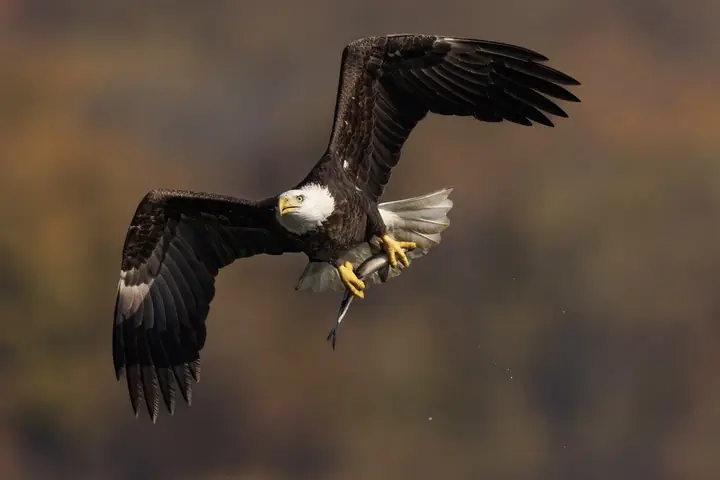 Bald Eagle
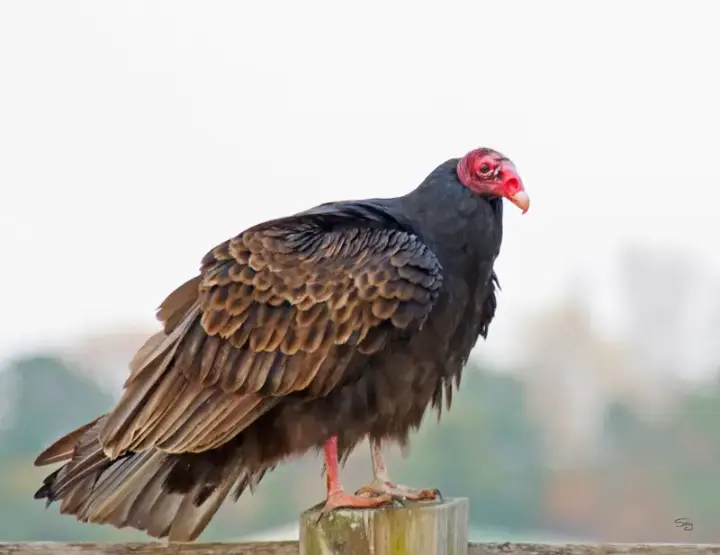 Turkey Vulture
- Chihuahuan Raven
- Brown-necked Raven
From iNaturalist identification data for northern Utah.
From Wikipedia
The common raven or northern raven is a large all-black passerine bird. It is the most widely distributed of all corvids, found across the Northern Hemisphere. There are 11 accepted subspecies with little variation in appearance, although recent research has demonstrated significant genetic differences among populations from various regions. It is one of the two largest corvids, alongside the thick-billed raven, and is the heaviest passerine bird; at maturity, the common raven averages 63 centimetres in length and 1.47 kilograms in weight, up to 2 kg (4.4 lb) in the heaviest individuals. Although their typical lifespan is considerably shorter, common ravens can live more than 23 years in the wild. Young birds may travel in flocks but later mate for life, with each mated pair defending a territory.
Wikipedia · CC BY-SA 4.0