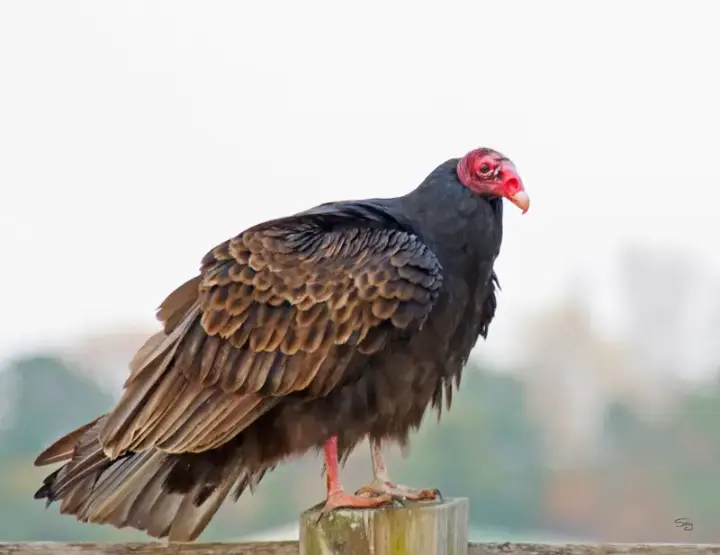
Turkey Vulture
Cathartes aura · New World Vultures
Banding codeTUVU
Keys to identifying it
1Size & shape
About 27 in long.
2Color pattern
- Small bare red head
- Dark brown-black body
- Two-toned wings held in a shallow V; teeters in flight
3Habitat & season
Over foothills, canyons and farmland in summer
In northern Utah: summer.
Seen most often in June, August and September.
Share of the region’s research-grade iNaturalist bird observations each month, scaled to this bird’s peak. Highlighted bars are its peak months.
4Voice
Nearly silent; hisses and grunts at close range.
“silent — watch for the wobbling V”
Warbly has no recording of this bird.
Know it
- Finds carrion by smell — one of the keenest noses of any bird.
- Soars with its wings in a shallow V and rocks from side to side.
- Vomits on purpose when threatened to drive predators off.
- Cools off by squirting its liquid droppings onto its own legs.
Often confused with
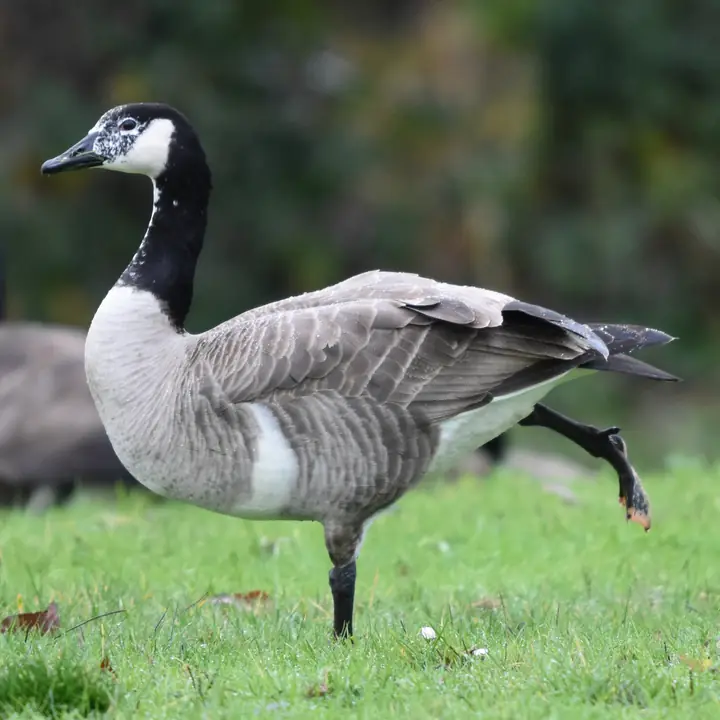 Canada Goose
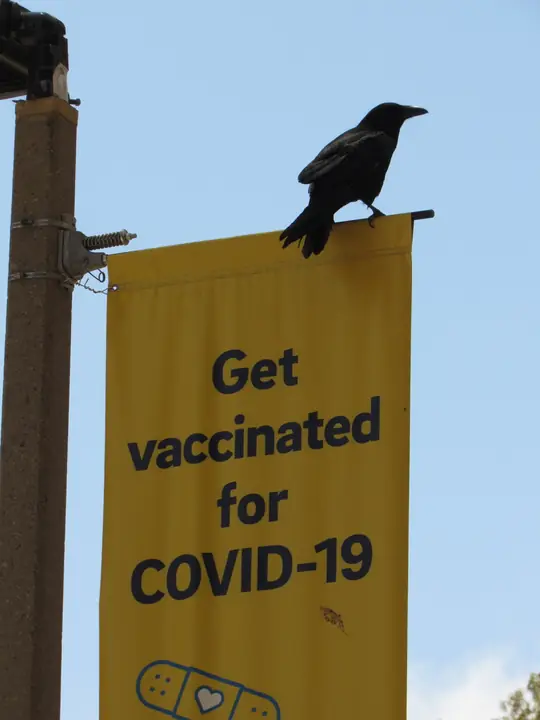 Common Raven
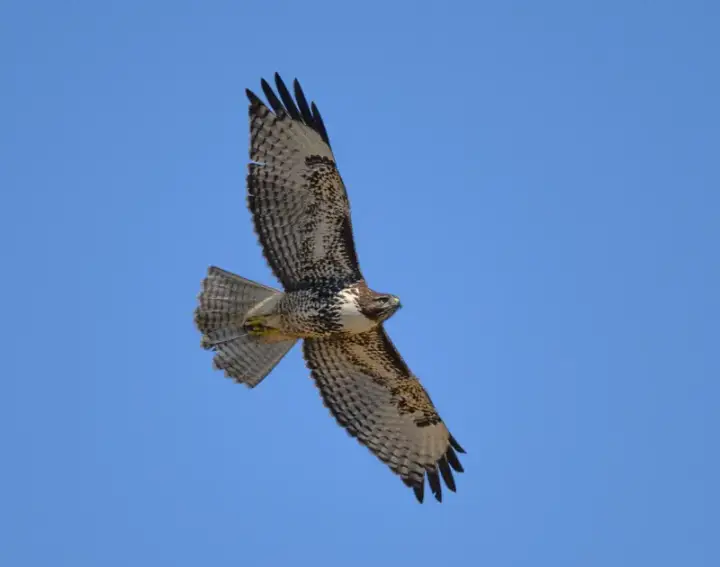 Red-tailed Hawk
- California Condor
- Black Vulture
From iNaturalist identification data for northern Utah.
From Wikipedia
The turkey vulture is the most widespread of the New World vultures. One of three species in the genus Cathartes of the family Cathartidae, the turkey vulture ranges from southern Canada to the southernmost tip of South America. It inhabits a variety of open and semi-open areas, including subtropical forests, shrublands, pastures, and deserts.
Wikipedia · CC BY-SA 4.0