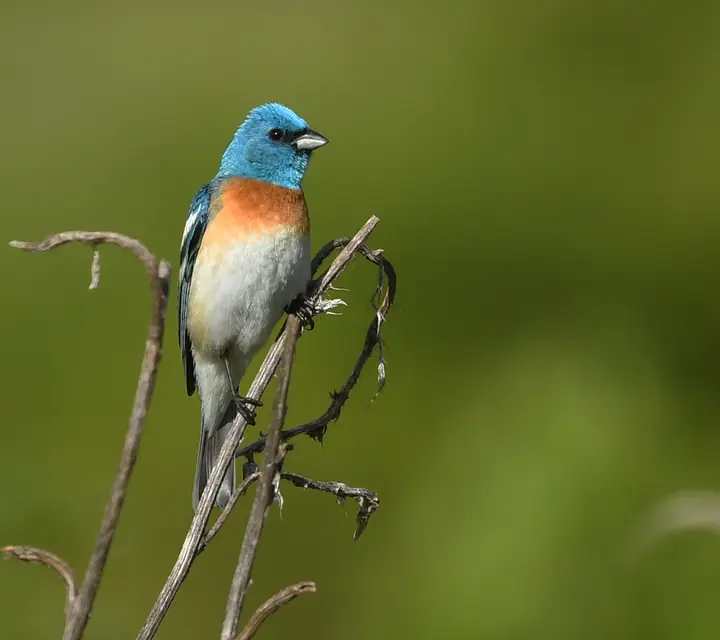
Lazuli Bunting
Passerina amoena · Cardinals and Allies
Banding codeLAZB
Keys to identifying it
1Size & shape
About 5.5 in long.
2Color pattern
- Male: turquoise-blue head and back
- Orange-cinnamon breast, white belly and wing bars
- Female: plain brown with a buffy wash
3Habitat & season
Brushy hillsides, canyon edges, riparian thickets
In northern Utah: summer.
Seen most often in May and June.
Share of the region’s research-grade iNaturalist bird observations each month, scaled to this bird’s peak. Highlighted bars are its peak months.
4Voice
Bright, scratchy, fast song of paired notes.
“sweet-sweet, chew-chew, sweet-sweet”
iNat 121129651 by Robbie Hannawacker · San Juan County, US-UT, US · CC0
Know it
- Young males create their own songs by stitching together pieces of neighbors' songs.
- Named for the deep-blue gemstone lapis lazuli.
- Stops partway through fall migration to molt in the monsoon region of Arizona and Mexico.
Often confused with
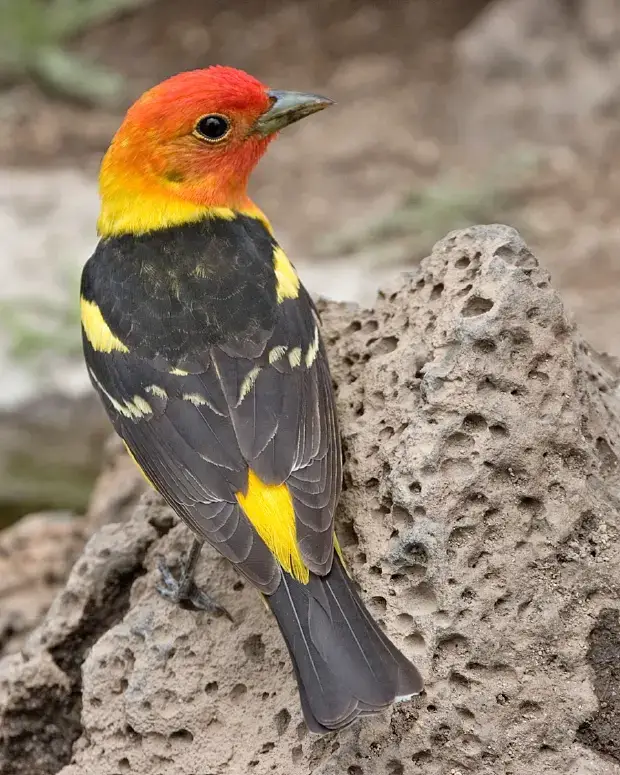 Western Tanager
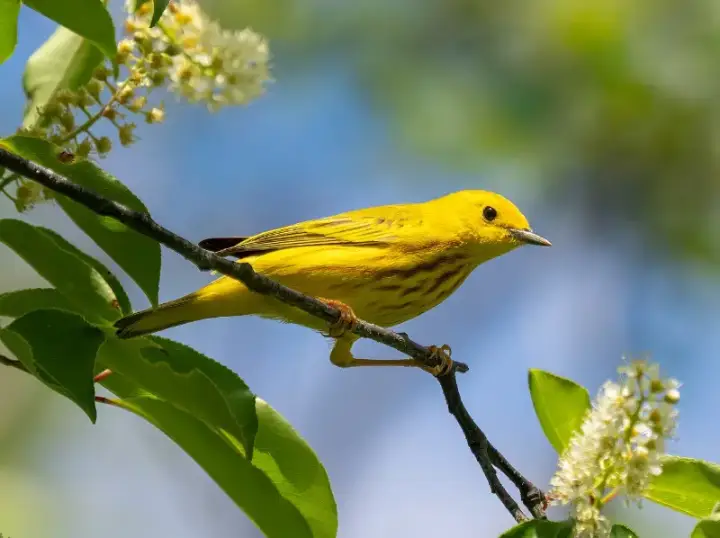 Northern Yellow Warbler
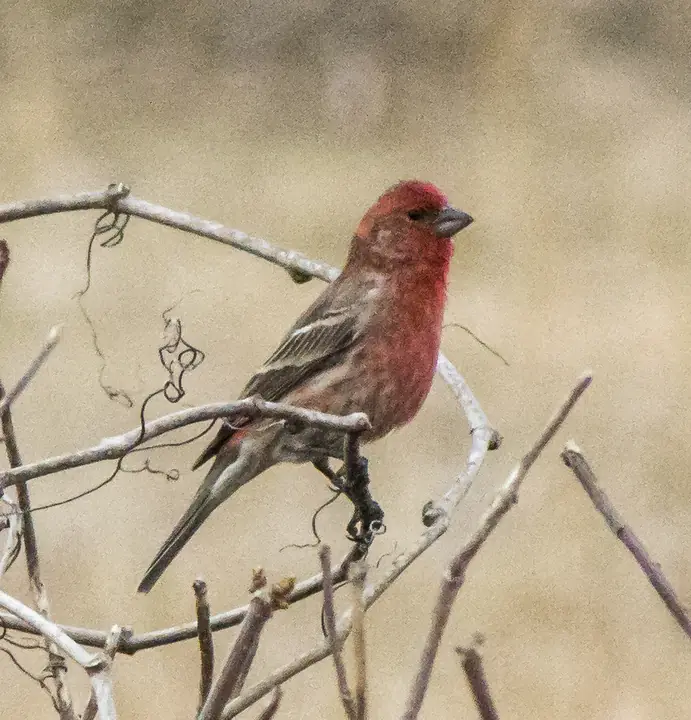 House Finch
- Western Bluebird
- Indigo Bunting
From iNaturalist identification data for northern Utah.
From Wikipedia
The lazuli bunting is a North American songbird named for the gemstone lapis lazuli.
Wikipedia · CC BY-SA 4.0