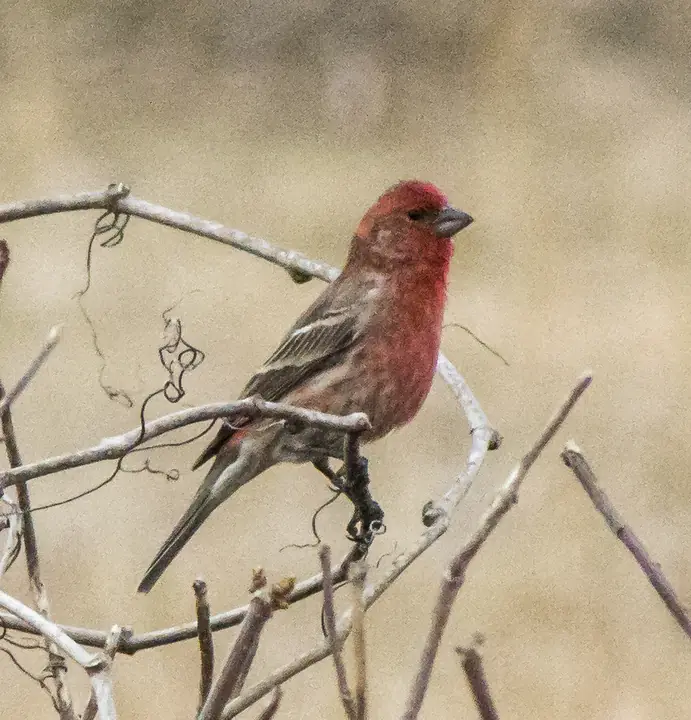
House Finch
Haemorhous mexicanus · Finches, Euphonias, and Allies
Banding codeHOFI
Keys to identifying it
1Size & shape
About 5.5 in long.
2Color pattern
- Male: red head, breast and rump
- Female: plain brown with blurry streaks
- Stubby, curved bill; brown-streaked flanks
3Habitat & season
Towns, feeders, farms, desert scrub
In northern Utah: year-round.
Seen most often in January, February and October.
Share of the region’s research-grade iNaturalist bird observations each month, scaled to this bird’s peak. Highlighted bars are its peak months.
4Voice
Long, cheerful, jumbled warble that often ends with a buzzy note.
“a run-on warble ending 'zeeer'”
iNat 157840851 by Elana Feldman · Cache County, US-UT, US · CC BY-SA
Know it
- The male's red comes from pigments in its food — redder males tend to be better fed, and females prefer them.
- Native to the West; eastern populations descend from birds released on Long Island in 1940.
- Feeds its nestlings almost entirely on seeds and plant matter — unusual for a songbird.
Often confused with
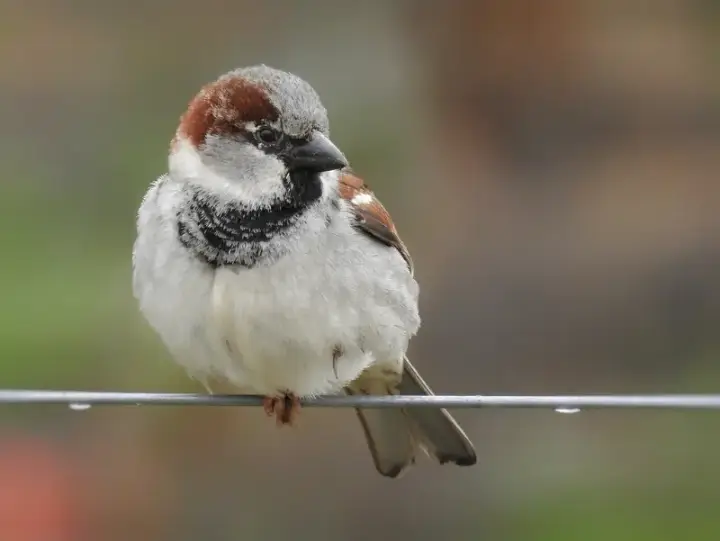 House Sparrow
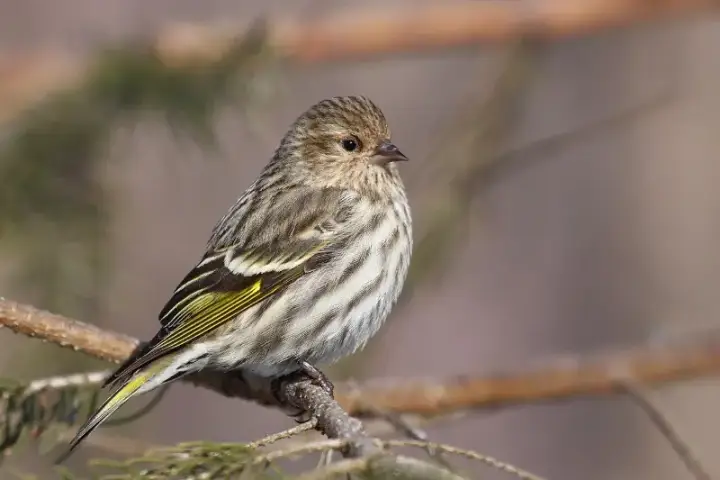 Pine Siskin
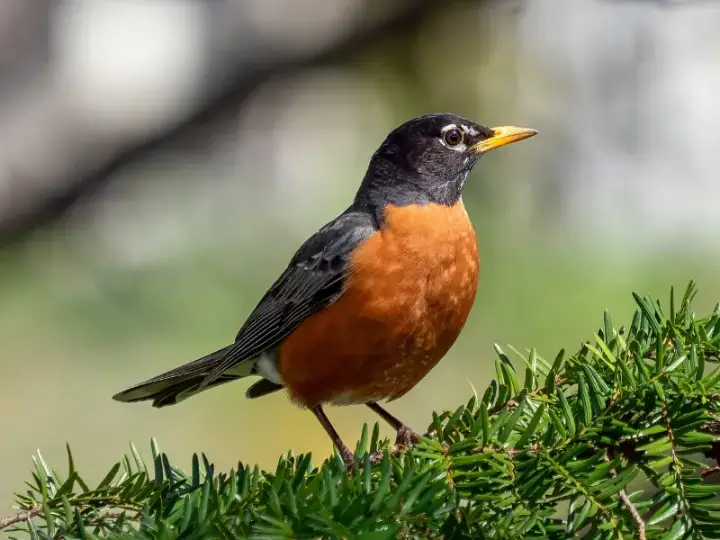 American Robin
- Cassin's Finch
From iNaturalist identification data for northern Utah.
From Wikipedia
The house finch is a North American bird in the finch family. It is native to Mexico and southwestern United States, but has since been introduced to the eastern part of North America and Hawaiʻi, and is found year-round in almost all parts of the United States and most of Mexico, with breeding grounds well into Canada as far north as northern Alberta. There are estimated to be 40 million house finches across North America, making it the second-most populous finch, just behind the American goldfinch. The house finch and the other two American rosefinches are placed in the genus Haemorhous.
Wikipedia · CC BY-SA 4.0