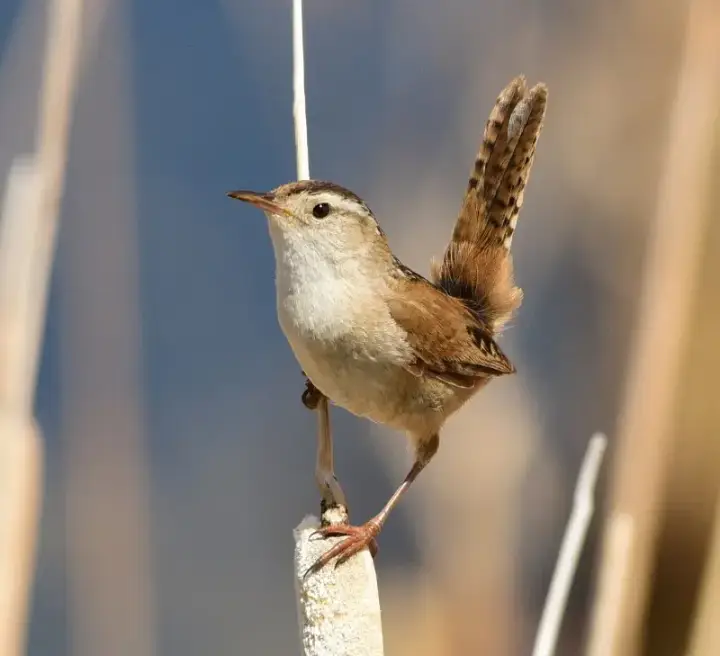
Marsh Wren
Cistothorus palustris · Wrens
Banding codeMAWR
Keys to identifying it
1Size & shape
About 5 in long.
2Color pattern
- Small with a white eyebrow
- Black-and-white streaked back
- Cocked tail
3Habitat & season
Cattails and bulrushes
In northern Utah: year-round.
Seen most often in February, April and November.
Share of the region’s research-grade iNaturalist bird observations each month, scaled to this bird’s peak. Highlighted bars are its peak months.
4Voice
A gurgling, rattling song like a sewing machine.
“a gurgling, sewing-machine rattle”
iNat 57272724 by Henggang Cui · 1 Hamlin Beach State Park, Hamlin, NY 14464, USA · CC0
Know it
- Males build several dummy nests, and the female chooses one.
- Western males may know more than 100 song types.
- Destroys the eggs of other birds nesting nearby.
- Lives almost entirely inside cattail and bulrush marshes.
Often confused with
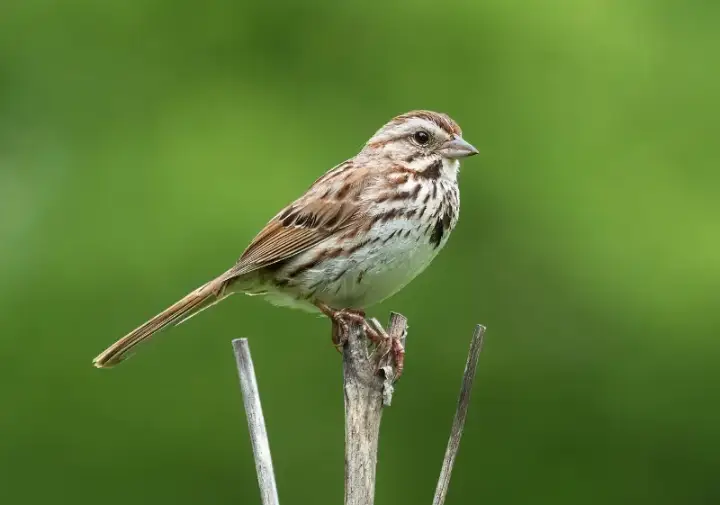 Song Sparrow
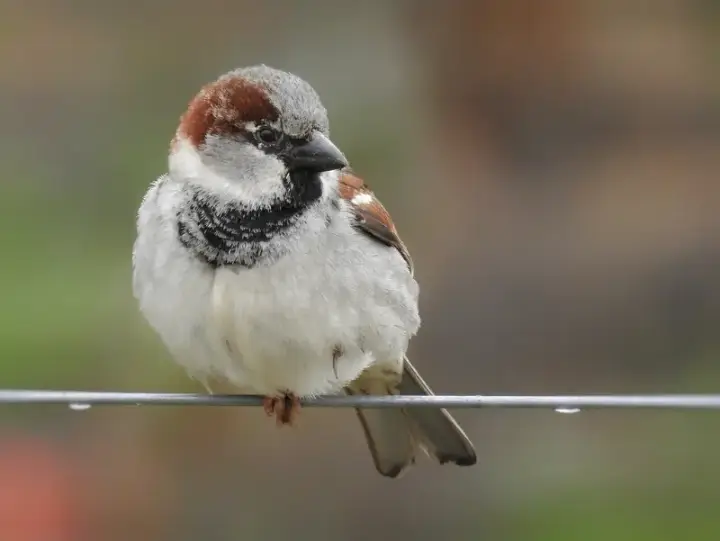 House Sparrow
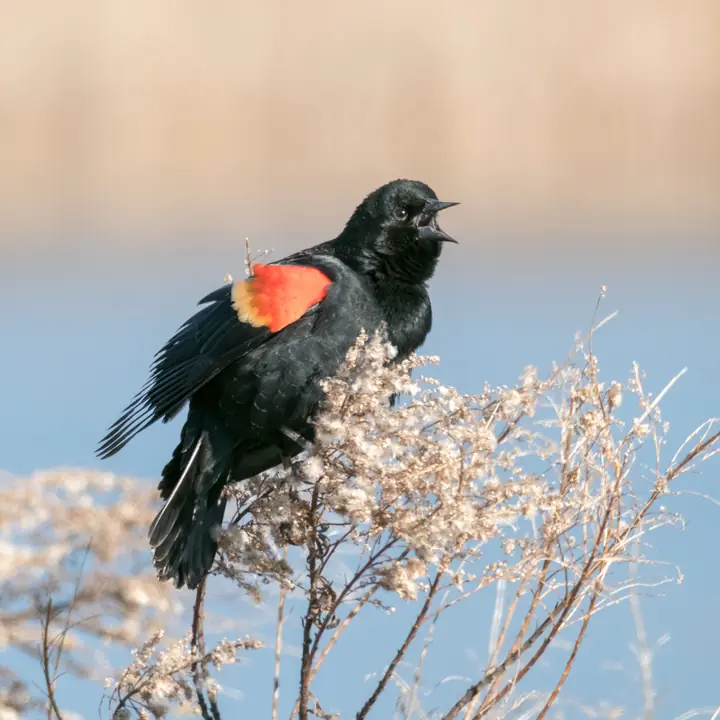 Red-winged Blackbird
From iNaturalist identification data for northern Utah.
From Wikipedia
The marsh wren is a small North American songbird of the wren family. It was formerly called the long-billed marsh wren to distinguish it from the sedge wren, then known as the short-billed marsh wren.
Wikipedia · CC BY-SA 4.0