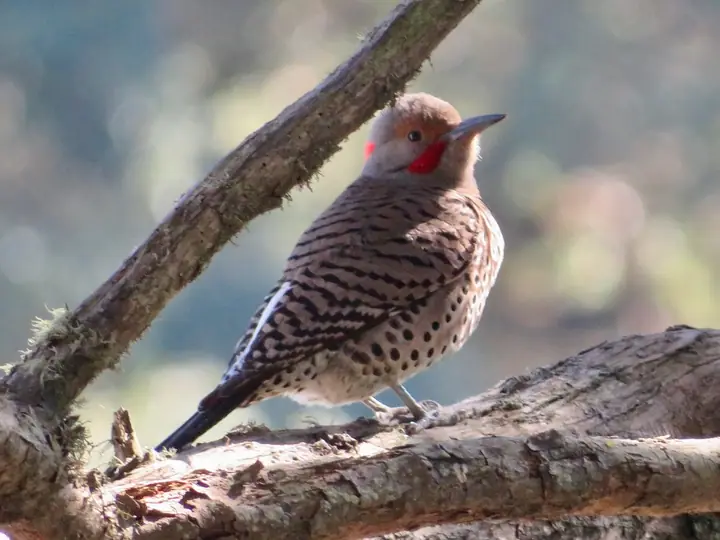
Northern Flicker
Colaptes auratus · Woodpeckers
Banding codeNOFL
Keys to identifying it
1Size & shape
About 12 in long.
2Color pattern
- Brown with black bars and spots; black chest crescent
- Western birds flash salmon-red under wings and tail
- White rump patch in flight
3Habitat & season
Neighborhoods, parks, open woods
In northern Utah: year-round.
Seen most often in October, November, December and January.
Share of the region’s research-grade iNaturalist bird observations each month, scaled to this bird’s peak. Highlighted bars are its peak months.
4Voice
Loud single 'kyeer' and long rolling 'wick-wick-wick' series; drums on metal.
“kyeer! · wick-wick-wick-wick”
iNat 105640364 by Gavin Slater · Washington, US · CC BY
Know it
- A woodpecker that often feeds on the ground, eating ants.
- Western birds have salmon-red feather shafts; eastern birds have yellow.
- Drums on metal gutters and chimneys because they make the loudest sound.
Often confused with
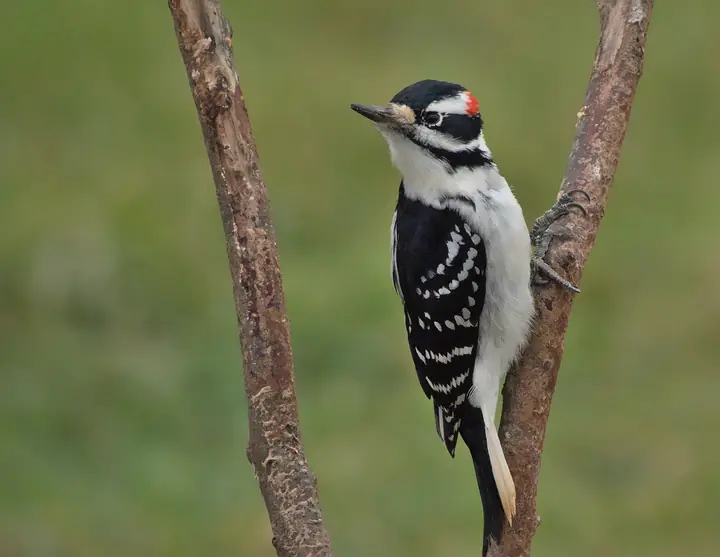 Hairy Woodpecker
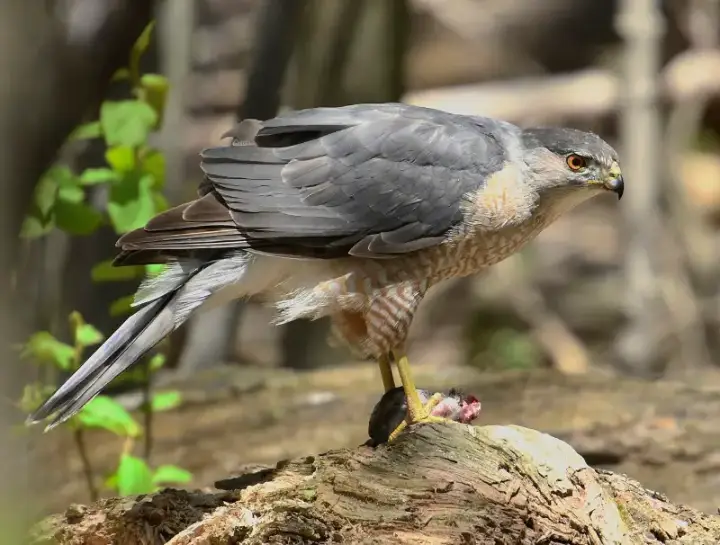 Cooper's Hawk
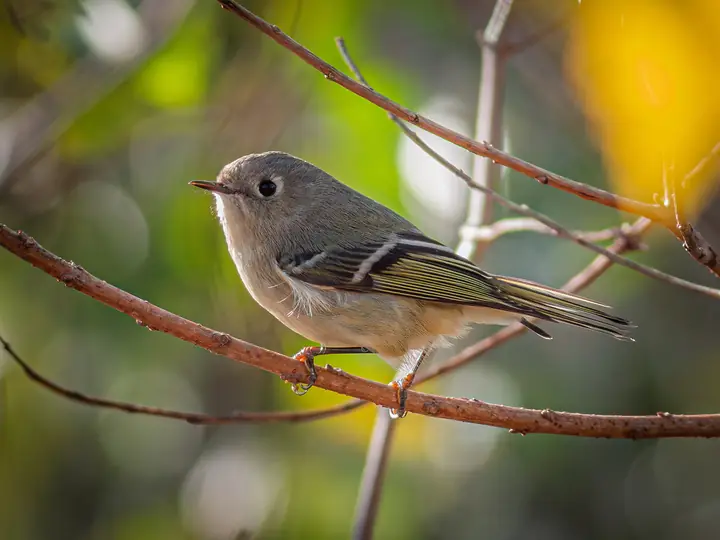 Ruby-crowned Kinglet
- Gilded Flicker
- Northern × Gilded Flicker
From iNaturalist identification data for northern Utah.
From Wikipedia
The northern flicker or common flicker is a medium-sized bird of the woodpecker family. It is native to most of North America, parts of Central America, Cuba, and the Cayman Islands, and is one of the few woodpecker species that migrate. Over 100 common names for the northern flicker are known, including yellowhammer, clape, gaffer woodpecker, harry-wicket, heigh-ho, wake-up, walk-up, wick-up, yarrup, and gawker bird. Many of these names derive from attempts to imitate some of its calls.
Wikipedia · CC BY-SA 4.0