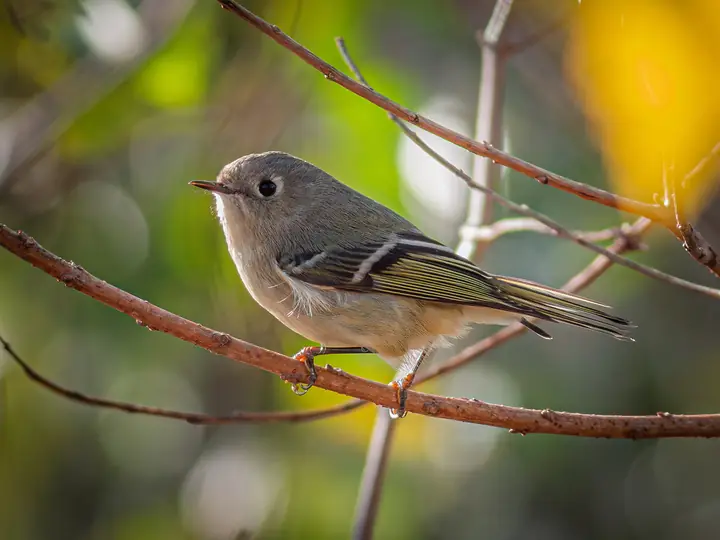
Ruby-crowned Kinglet
Corthylio calendula · Kinglets
Banding codeRCKI
Keys to identifying it
1Size & shape
About 4 in long.
2Color pattern
- Tiny and olive-gray
- Broken white eye-ring and white wing bar
- Constantly flicks its wings
3Habitat & season
Mountain conifers in summer; lowland trees in migration and winter
In northern Utah: year-round.
Seen most often in October and December.
Share of the region’s research-grade iNaturalist bird observations each month, scaled to this bird’s peak. Highlighted bars are its peak months.
4Voice
A surprisingly loud, rollicking song; a scolding 'ji-dit'.
“a loud, rising tumble · ji-dit”
National Park Service by Rocky Mountain National Park · Public domain
Know it
- The male's ruby crown patch usually stays hidden until he is excited.
- Constantly flicks its wings as it forages.
- Can lay a dozen eggs — a clutch that may weigh as much as the female.
- Its song is astonishingly loud for a bird that weighs about a quarter of an ounce.
Often confused with
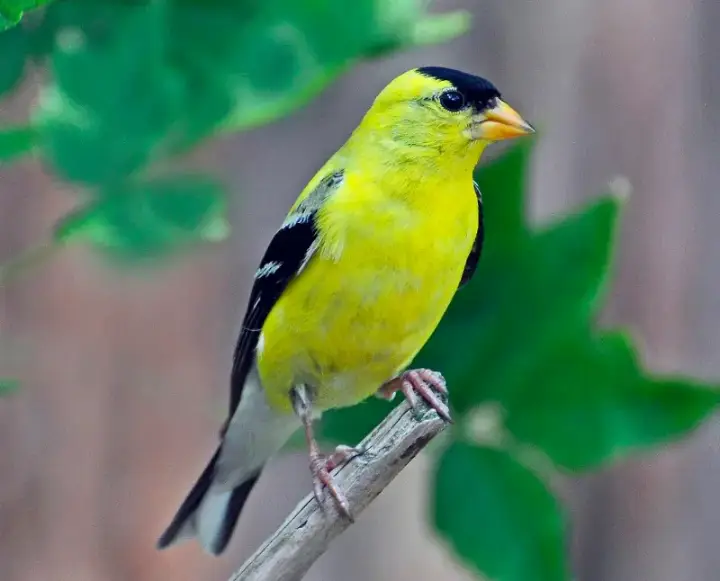 American Goldfinch
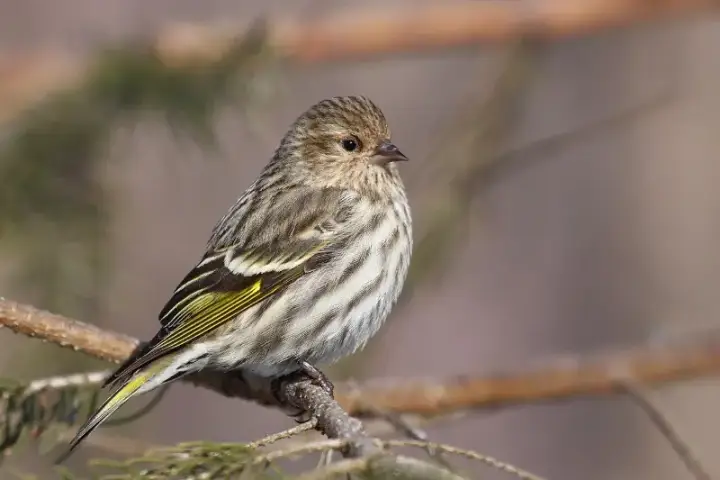 Pine Siskin
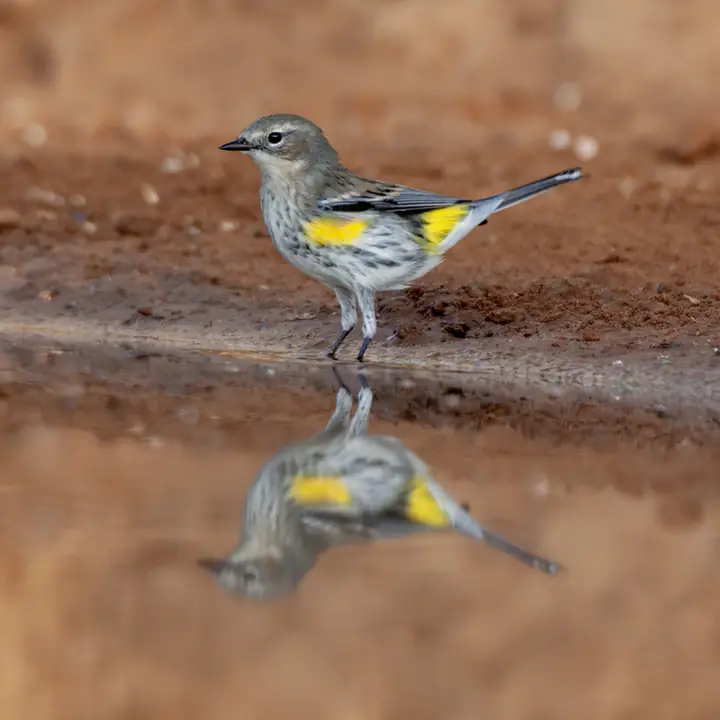 Yellow-rumped Warbler
- Western Warbling Vireo
- Virginia's Warbler
From iNaturalist identification data for northern Utah.
From Wikipedia
The ruby-crowned kinglet is a very small passerine bird found throughout North America. It is a member of the kinglet family. The bird has olive-green plumage with two white wing bars and a white eye-ring. Males have a red crown patch, which is often concealed. The sexes are identical apart from the crown, and juveniles are similar in plumage to adult females. It is one of the smallest songbirds in North America. The ruby-crowned kinglet is not closely related to other kinglets and was moved from Regulus to its own genus, Corthylio, in 2021. Three subspecies are currently recognized.
Wikipedia · CC BY-SA 4.0