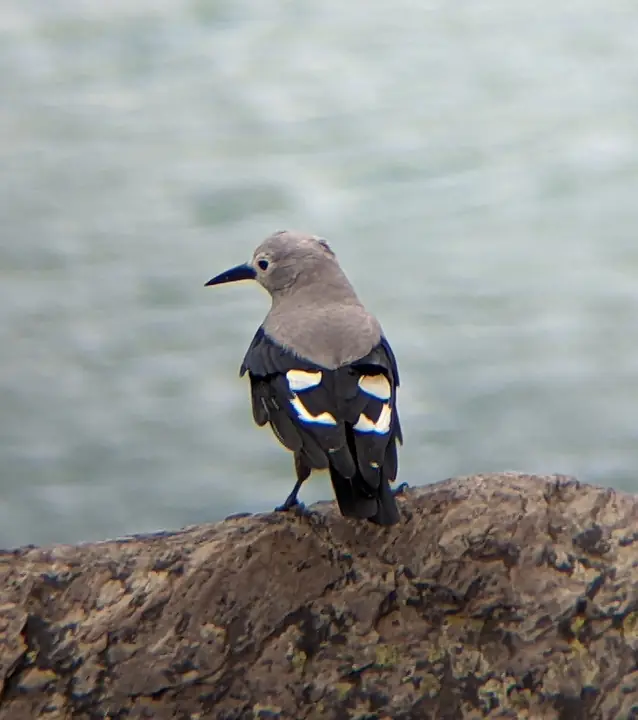
Clark's Nutcracker
Nucifraga columbiana · Crows, Jays, and Magpies
Banding codeCLNU
Keys to identifying it
1Size & shape
About 12 in long.
2Color pattern
- Pale gray body
- Black wings with white patches; white outer tail
- Long, sharp black bill
3Habitat & season
High-elevation conifers, limber and whitebark pine
In northern Utah: year-round.
Seen most often in July, August, September and October.
Share of the region’s research-grade iNaturalist bird observations each month, scaled to this bird’s peak. Highlighted bars are its peak months.
4Voice
A harsh, grating, drawn-out call.
“kraaa-kraaa”
iNat 310388419 by Spooner · Rio Arriba County, US-NM, US · CC0
Know it
- Hides tens of thousands of pine seeds each fall and finds many again months later, even under snow.
- Carries seeds in a pouch under its tongue.
- Named for William Clark of the Lewis and Clark expedition.
- Seeds it never recovers grow into new pines, making it a key partner of whitebark pine.
Often confused with
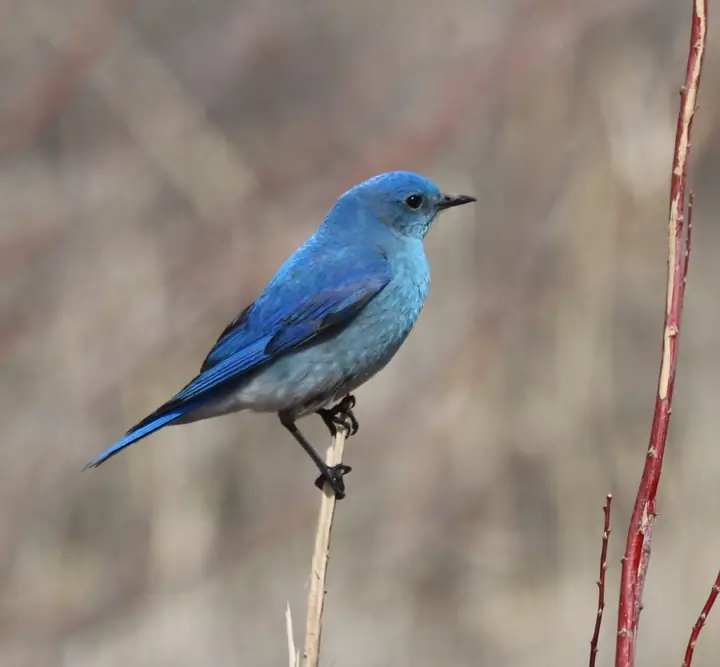 Mountain Bluebird
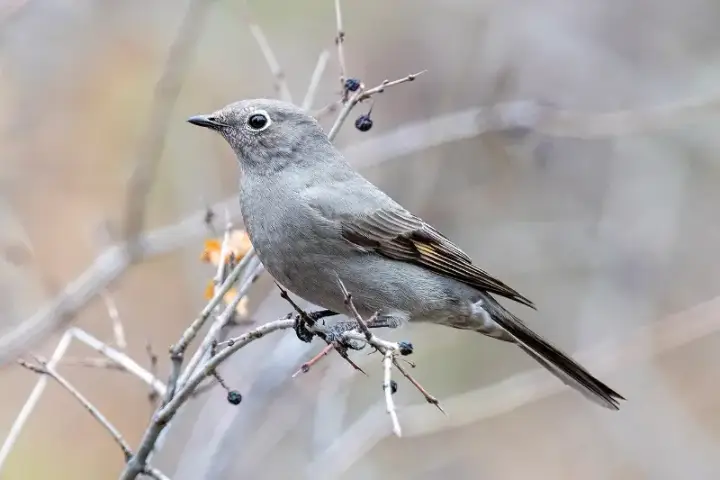 Townsend's Solitaire
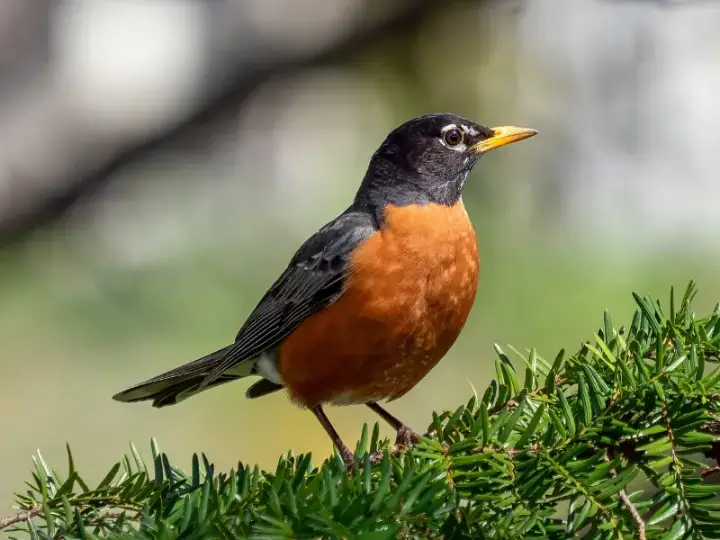 American Robin
- Canada Jay
- Eastern Kingbird
From iNaturalist identification data for northern Utah.
From Wikipedia
Clark's nutcracker, also known as Clark's crow, is a passerine bird in the family Corvidae, native to the mountains of western North America. The nutcracker is an omnivore, but subsists mainly on pine nuts, burying seeds in the ground in the late summer and fall, and then retrieving them in the winter and spring by memory. The bird was described by the Lewis and Clark Expedition, with William Clark first observing it in 1805 along the banks of the Salmon River, a tributary of the Columbia River.
Wikipedia · CC BY-SA 4.0