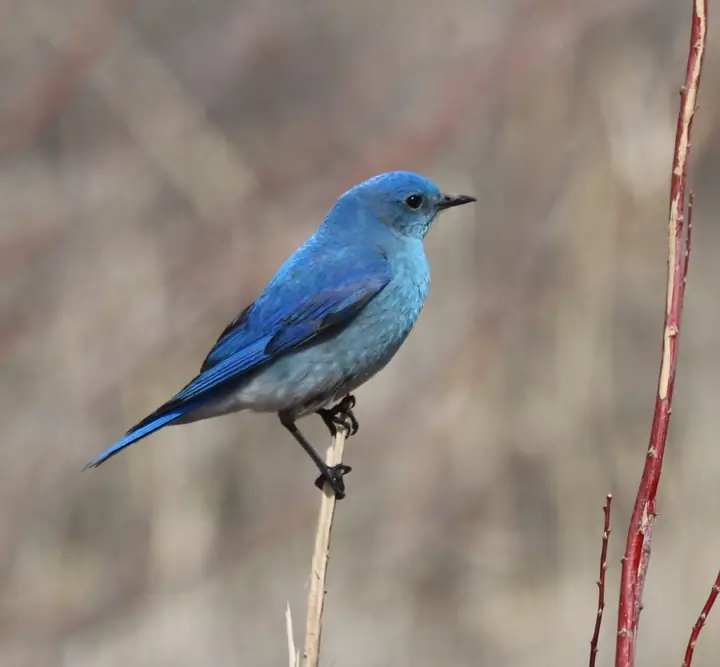
Mountain Bluebird
Sialia currucoides · Thrushes
Banding codeMOBL
Keys to identifying it
1Size & shape
About 7 in long.
2Color pattern
- Male: sky-blue all over, paler below
- Female: gray-brown with blue wings and tail
- Thin bill; often hovers
3Habitat & season
Open country, sagebrush, mountain meadows
In northern Utah: summer.
Seen most often in March, June and July.
Share of the region’s research-grade iNaturalist bird observations each month, scaled to this bird’s peak. Highlighted bars are its peak months.
4Voice
Soft, short 'few' whistles and quiet warbles.
“a soft, plaintive 'few'”
iNat 107849822 by Richard Littauer · La Plata County, CO, USA · CC BY
Know it
- Hovers above open ground before dropping onto insects.
- State bird of Idaho and Nevada.
- Its blue comes from the structure of its feathers scattering light, not from pigment.
- Readily nests in boxes put up along fences and meadows.
Often confused with
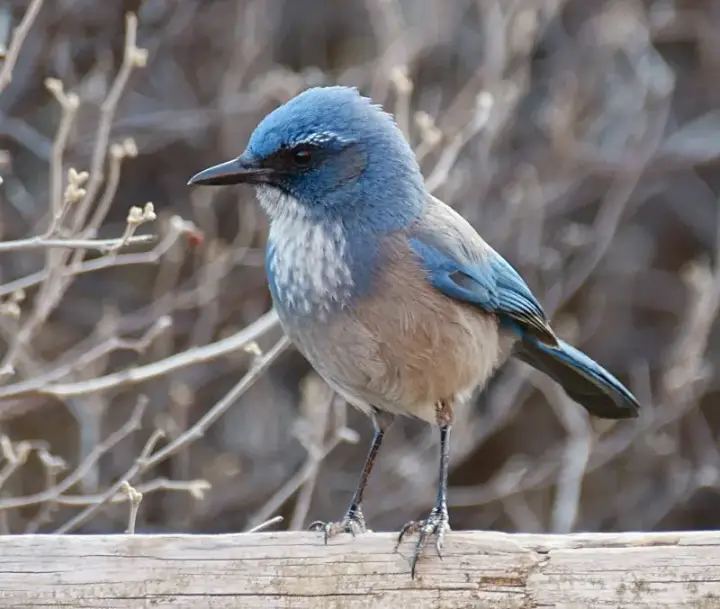 Woodhouse's Scrub-Jay
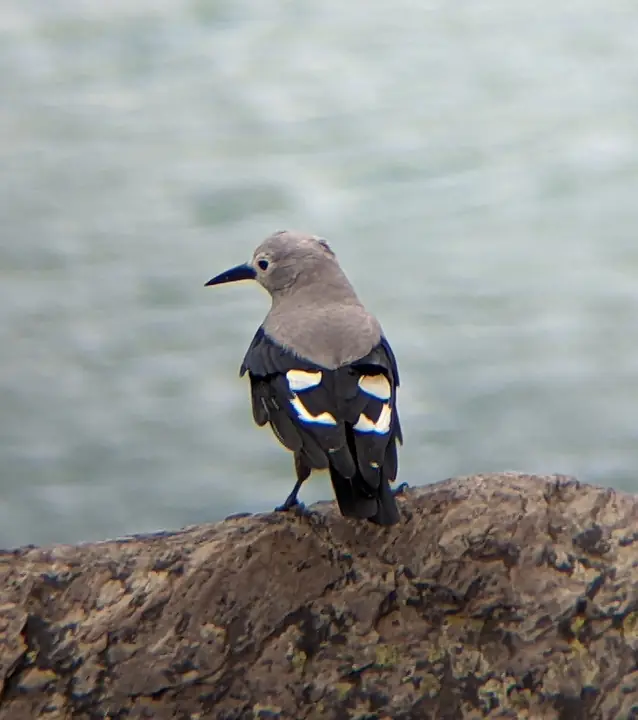 Clark's Nutcracker
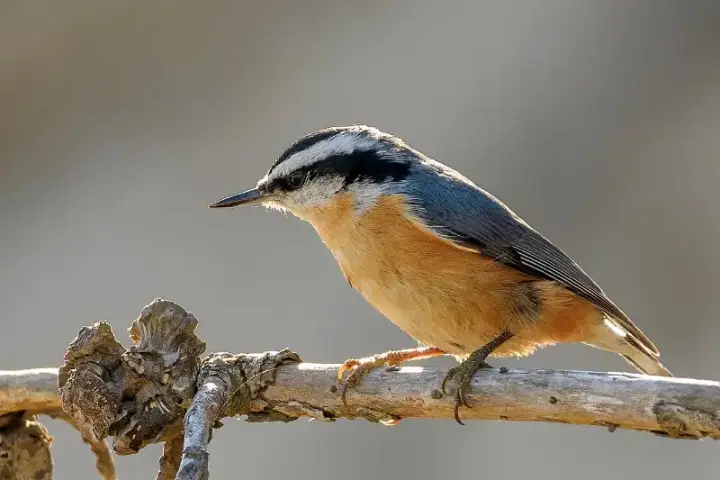 Red-breasted Nuthatch
- Western Bluebird
- Pinyon Jay
From iNaturalist identification data for northern Utah.
From Wikipedia
The mountain bluebird is a migratory small thrush that is found in mountainous districts of western North America. It has a light underbelly and black eyes. Adult males have thin bills and are bright turquoise-blue and somewhat lighter underneath. Adult females have duller blue wings and tail, grey breast, grey crown, throat and back. In fresh fall plumage, the female's throat and breast are tinged with red-orange which is brownish near the flank, contrasting with white tail underparts. Their call is a thin 'few' while their song is a warbled high 'chur chur'. The mountain bluebird is the state bird of Idaho and Nevada. This bird is an omnivore and it can live 6 to 10 years in the wild. It eats spiders, grasshoppers, flies and other insects, and small fruits. The mountain bluebird is a relative of the eastern and western bluebirds.
Wikipedia · CC BY-SA 4.0