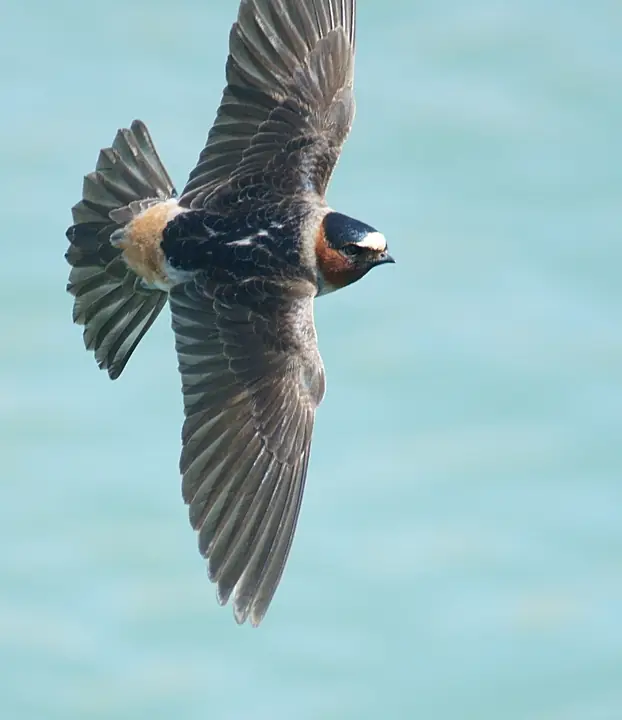
Cliff Swallow
Petrochelidon pyrrhonota · Swallows and Martins
Banding codeCLSW
Keys to identifying it
1Size & shape
About 5.5 in long.
2Color pattern
- Square tail
- Pale buff rump
- Dark throat and white forehead patch
3Habitat & season
Bridges, culverts, cliffs, open country near water
In northern Utah: summer.
Seen most often in May, June and July.
Share of the region’s research-grade iNaturalist bird observations each month, scaled to this bird’s peak. Highlighted bars are its peak months.
4Voice
Creaky, squeaky twittering.
“a creaky, rasping twitter”
iNat 178088981 by Whitney Brook Matson · Bridger-Teton National Forest, Dubois, WY, US · CC BY
Know it
- Builds gourd-shaped mud nests under bridges and cliffs in colonies.
- A single colony can hold thousands of nests.
- Its square tail and buffy rump separate it from the Barn Swallow.
- Each nest takes roughly a thousand beakfuls of mud.
Often confused with
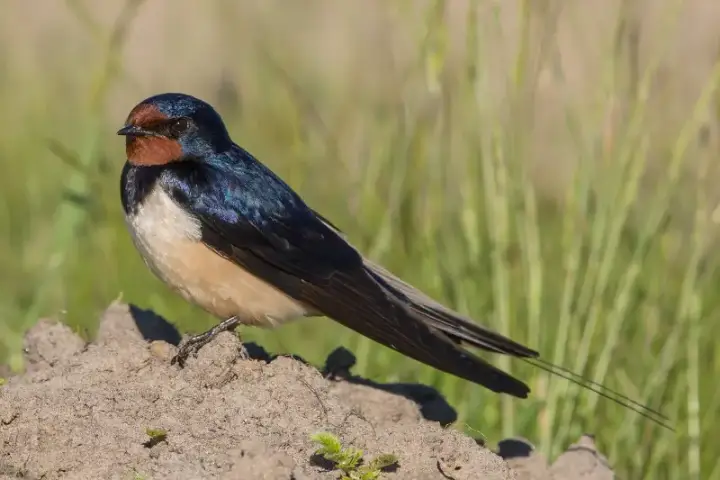 Barn Swallow
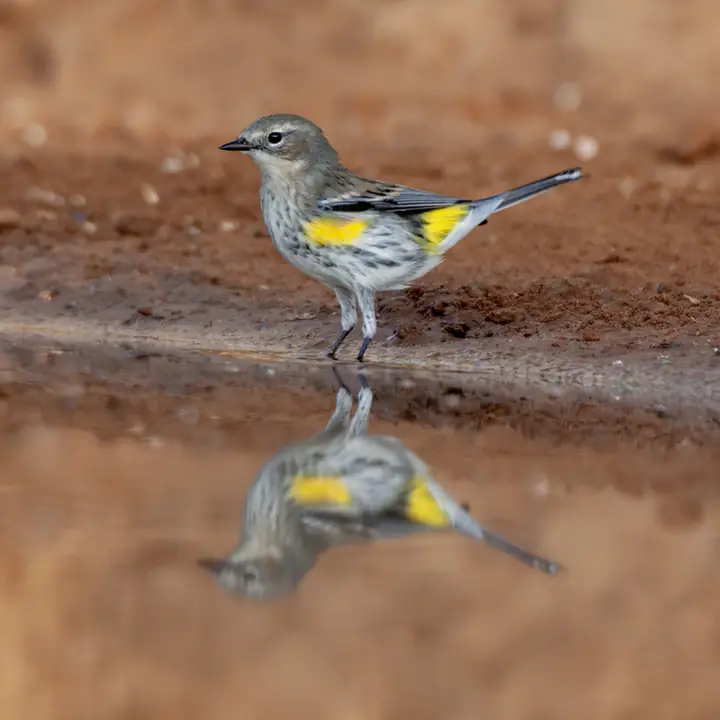 Yellow-rumped Warbler
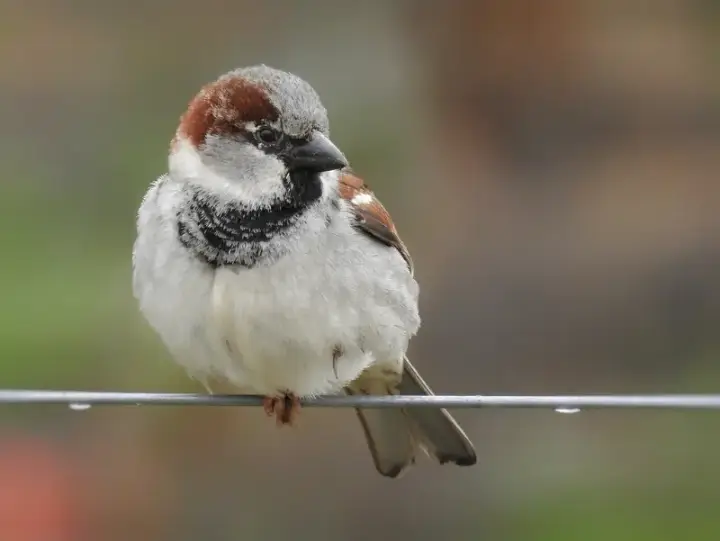 House Sparrow
- Tree Swallow
- Bank Swallow
From iNaturalist identification data for northern Utah.
From Wikipedia
The cliff swallow or American cliff swallow is a member of the passerine bird family Hirundinidae, the swallows and martins. The generic name Petrochelidon is derived from the Ancient Greek petros meaning "stone" and khelidon (χελιδών) "swallow", and the specific name pyrrhonota comes from purrhos meaning "flame-coloured" and -notos "-backed".
Wikipedia · CC BY-SA 4.0