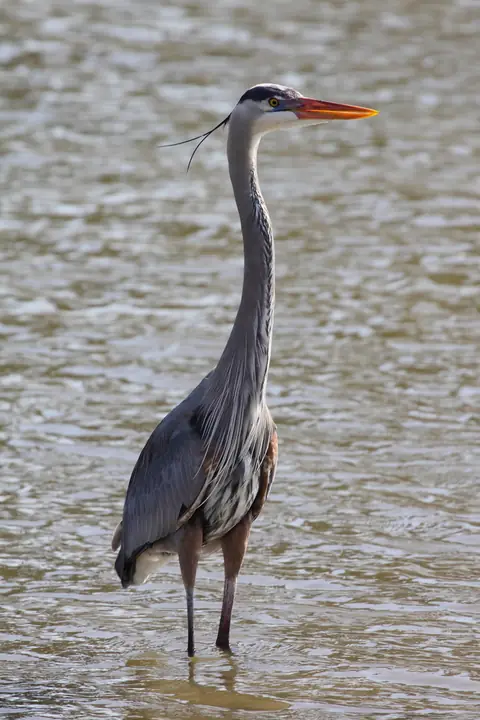
Great Blue Heron
Ardea herodias · Herons, Egrets, and Bitterns
Banding codeGBHE
Keys to identifying it
1Size & shape
About 46 in long.
2Color pattern
- Very tall and gray-blue
- Dagger-like yellowish bill
- Black stripe above the eye; flies with neck tucked in an S
3Habitat & season
Ponds, rivers, marshes, flooded fields
In northern Utah: year-round.
Seen most often in January, February, March, April, May, June, July, August, September and October.
Share of the region’s research-grade iNaturalist bird observations each month, scaled to this bird’s peak. Highlighted bars are its peak months.
4Voice
A deep, harsh croak when flushed.
“frahnk!”
iNat 92046509 by Aimee Lusty · Springs, NY 11937, USA · CC BY
Know it
- Flies with its neck folded in an S-curve — cranes fly with necks straight.
- Weighs only about 5 to 6 pounds despite its height, thanks partly to hollow bones.
- Nests in colonies, often high in cottonwoods.
Often confused with
 Sandhill Crane
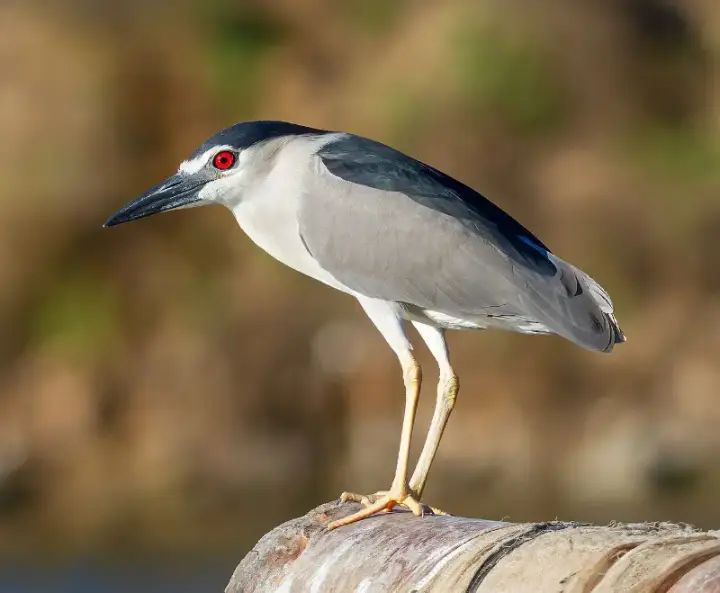 Black-crowned Night Heron
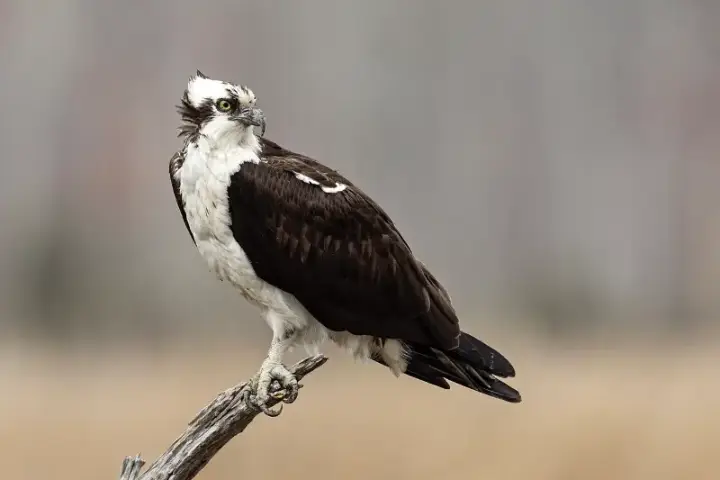 Osprey
From iNaturalist identification data for northern Utah.
From Wikipedia
The great blue heron is a large wading bird in the heron family (Ardeidae), common near shores of open water and wetlands over most of North and Central America, as well as Northwestern South America, the Caribbean, and the Galápagos Islands. It is occasionally found in the Azores and is a rare vagrant to Europe. An all-white population found in South Florida, the Florida Keys, and the Caribbean islands, is known as the great white heron. Debate exists about whether these white birds are a color morph of the great blue heron, a subspecies of it, or an entirely separate species.
Wikipedia · CC BY-SA 4.0