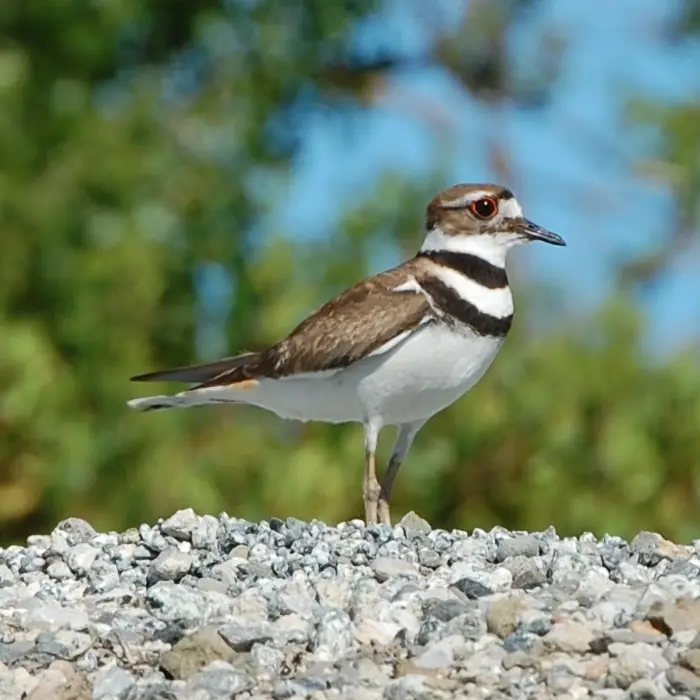
Killdeer
Charadrius vociferus · Plovers and Lapwings
Banding codeKILL
Keys to identifying it
1Size & shape
About 10 in long.
2Color pattern
- Two black breast bands
- Brown back with orange rump in flight
- Long legs; runs and stops
3Habitat & season
Fields, gravel lots, shorelines, ballparks
In northern Utah: year-round.
Seen most often in March, April, May and June.
Share of the region’s research-grade iNaturalist bird observations each month, scaled to this bird’s peak. Highlighted bars are its peak months.
4Voice
Shrill, repeated cries of its own name.
“kill-deer! kill-deer!”
iNat 361151961 by eb50 · Matt Knoop Memorial Park, Park City, UT, US · CC0
Know it
- Fakes a broken wing to lure predators away from its nest.
- Named for its call.
- A shorebird that often nests on gravel driveways, parking lots and rooftops.
Often confused with
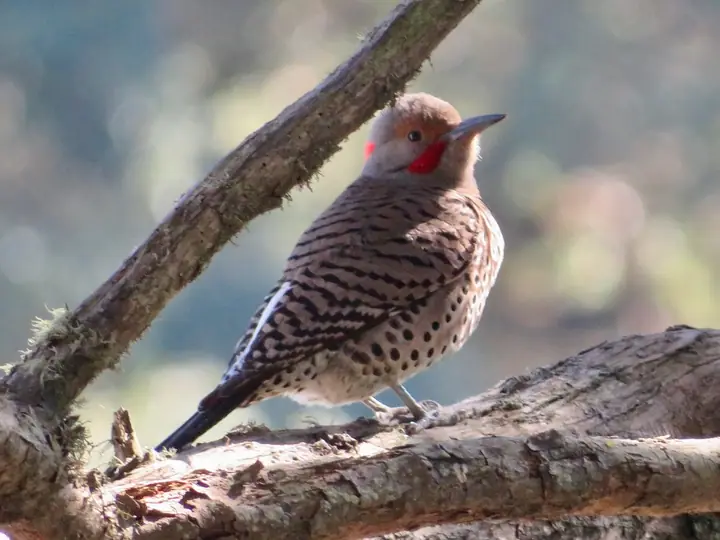 Northern Flicker
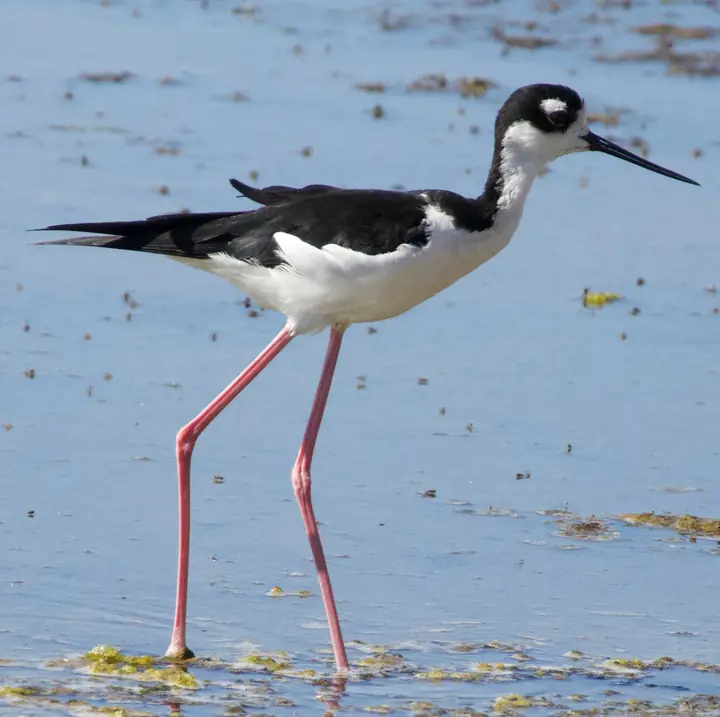 Black-necked Stilt
- Little Ringed Plover
- Common Nighthawk
From iNaturalist identification data for northern Utah.
From Wikipedia
The killdeer is a large plover found in the Americas. Its shrill, two-syllable call is often heard, sounding like "kill deer". It was described and given its current scientific name in 1758 by Carl Linnaeus in the 10th edition of his Systema Naturae. Three subspecies are described. Its upperparts are mostly brown with rufous fringes, the head has patches of white and black, and two black bands cross the breast. The belly and the rest of the breast are white. The nominate subspecies breeds from southeastern Alaska and southern Canada to Mexico. It is seen year-round in the southern half of its breeding range; the subspecies C. v. ternominatus is resident in the West Indies, and C. v. peruvianus inhabits Peru and surrounding South American countries throughout the year. North American breeders winter from their resident range south to Central America, the West Indies, and the northernmost portions of South America.
Wikipedia · CC BY-SA 4.0